Tensioning Arms
Tensioning arms form core components of automatic tensioners used to maintain proper tension of chains or belts during operation.
They consist of a lever that is flexibly mounted between two housing blocks and attached to the machine frame. The elastic element is made of rubber-elastic segments. Chain or belt tensioning pulleys are mounted on the lever using a screw connection.
This universal elastic element can simultaneously perform the functions of suspension, guidance, tensioning, and vibration damping.


SB (Supports)
Tensioner mounting supports are standard L-shaped elements used to attach automatic tensioners for belt or chain drives to the machine frame.
Typical Applications
Tensioning arms are designed for maintaining proper tension of standard industrial roller chains or belts across all industries.
They are typically used with small and medium-sized roller chains in conveyors, roller conveyors, material handling equipment, construction machinery, woodworking machinery, packaging equipment, and food processing applications.
Properties
- Provide damping, guiding, and tensioning functions
- Simple design and easy installation
- Extend service life and reduce wear
- Reduce vibration and transmission noise
- Operating temperature range from −40 °C to +80 °C
- Maintenance-free design
Materials
Steel.
Arm Code Description
Example:
RE 60
| Code Part | Description |
|---|---|
| RE |
Type of tensioning arm |
| 60 |
Size |
Notice
When ordering a complete chain or belt tensioner, always order the RE or FE tensioning arm along with the corresponding tensioning element. For chains, this is type ZK or OVR; for belts, type RP or RU.
Documents for Download
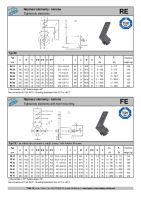
Dimensions and Parameters of RE and FE Tighteners Elements and SB Supports
TYMA CZ Data Sheets
Czech and English (PDF 410.26 kB)
Related Products

Universal Chain Tensioners
Sliding blocks, sprockets with screw and idler sprockets for tensioning of industrial roller chains during operation.

Belt Tensioners
Rollers with screw and tensioning pulleys for tensioning of common smaller profiles industrial V-belts during operation.